


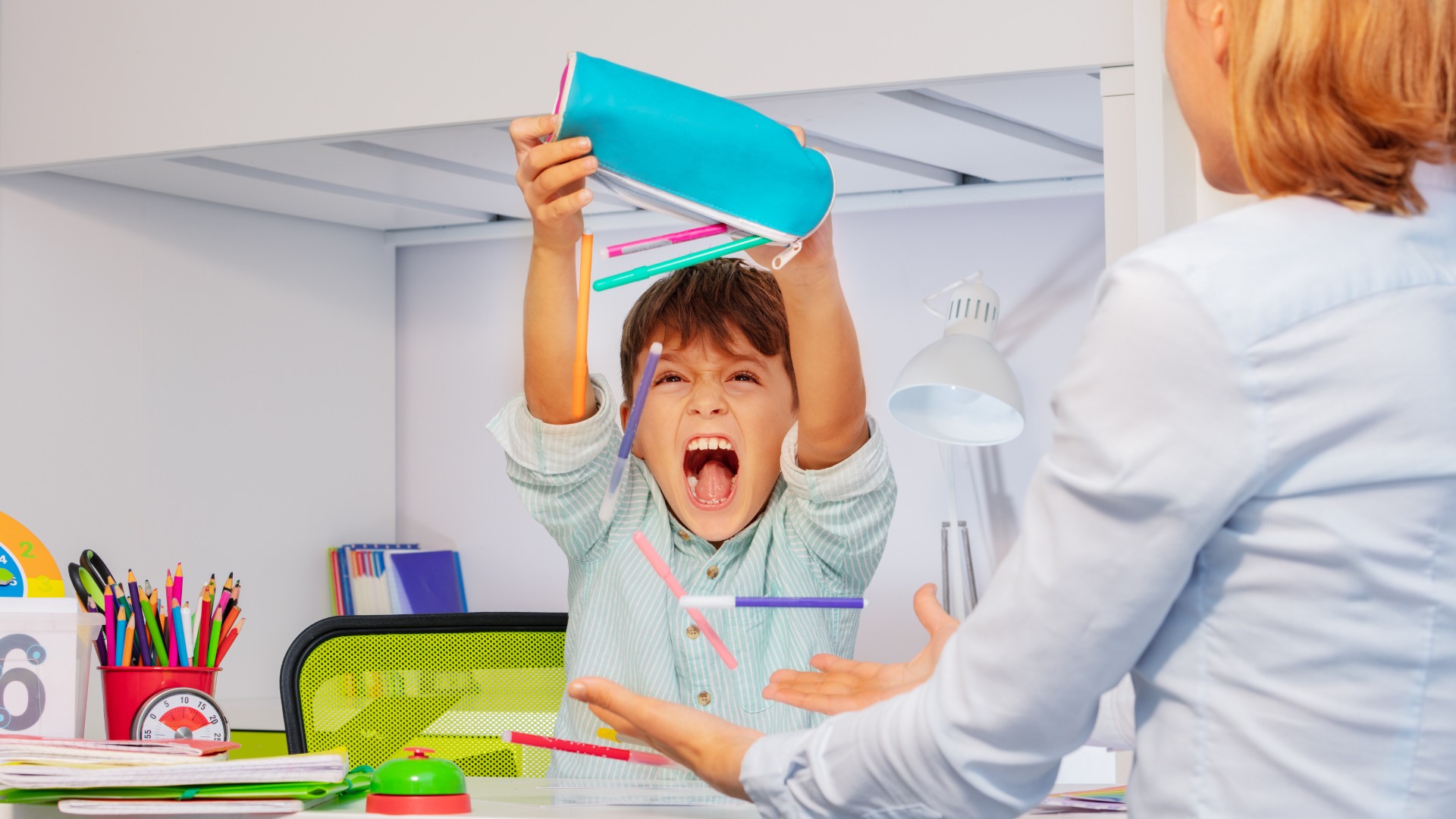
Understanding Masking and After-school Meltdowns
We often hear the same story from parents: “School say they’re absolutely fine.” “But by the time they get home, everything explodes.” Or “She comes home so exhausted she locks herself in her room, sleeps and tells us she’s unwell and doesn’t want to go to school.”
This can be confusing, exhausting and at times isolating for families. For many autistic children and young people, the school day involves something called masking.
Masking refers to the strategies someone uses to fit in socially, follow expectations and avoid standing out. This might look like forcing eye contact, copying peers, suppressing stimming or carefully monitoring how they speak and behave.
Masking can be a powerful survival strategy. It can help children feel accepted and reduce the risk of misunderstanding or bullying. But it comes at a cost.

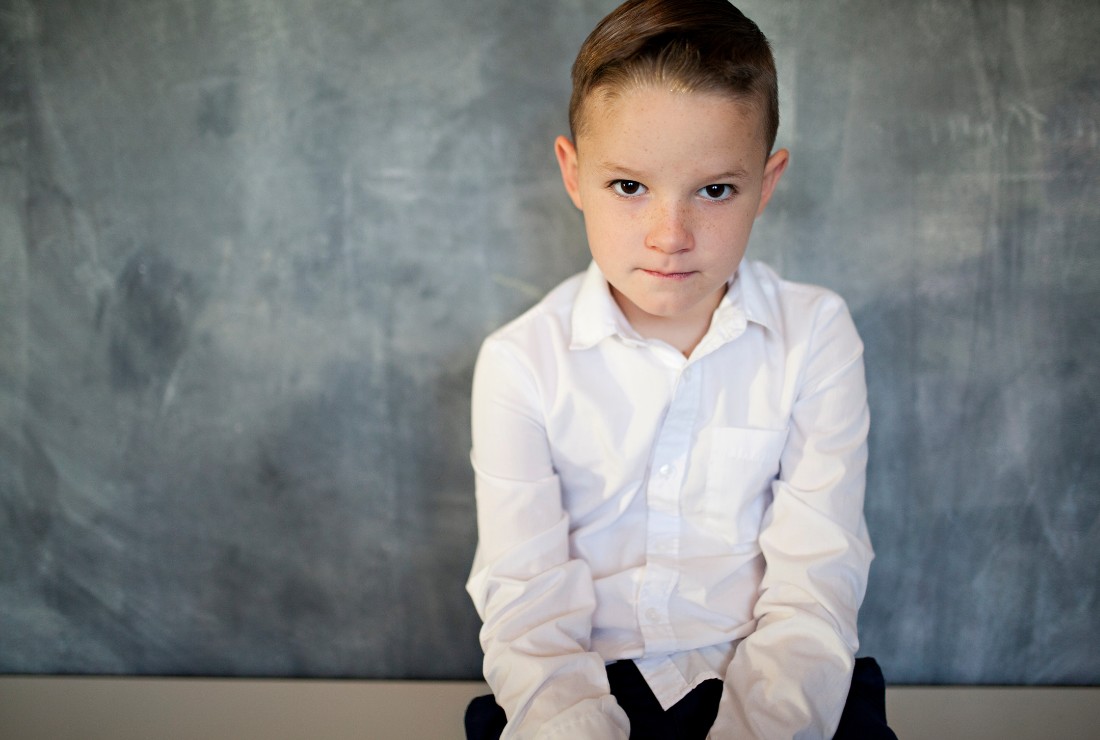
Constantly monitoring behaviour, suppressing natural responses, and trying to “get it right” is exhausting. By the end of the school day, many children have used up all their internal resources. Home, where they feel safest, becomes the place where that tension releases.
What parents often describe as “meltdowns” are not deliberate misbehaviour. They are the nervous system saying, I can’t hold this in anymore. Over time, sustained masking can contribute to anxiety, low mood and burnout. It can also make it harder for teachers to see where support is needed.
Understanding masking shifts the narrative. Instead of asking, “Why can they behave at school but not at home?” we begin to ask, “How much effort are they using just to get through the day?” When we create environments that are understanding, accepting, flexible and neuro-affirming, children don’t have to work so hard to hide who they are. And when children don’t have to hide — they can thrive.
