
Helping you channel their energy and potential.
Specialist, NICE-compliant ADHD assessments combining clinical expertise with objective QbTest technology. We help you distinguish between “won’t” and “can’t,” giving you the strategies to help your child thrive.
Breaking the Stigma
It’s not “naughty behaviour.” It’s neurobiology.
If your child is constantly on the go, struggling to focus at school, or acting on impulse, you might be used to hearing that they are “disruptive” or “just need more discipline.” At AYC, we know that ADHD is a neurodevelopmental difference, not a parenting failure.
It affects the brain’s executive functions, the management system that controls focus, emotions, and impulse.
Our approach looks past the frustration to find the creative, energetic, and passionate child underneath.
The QbTest Difference
Clinical Insight + Objective Data.
Diagnosing ADHD shouldn’t be a guessing game. That is why AYC uses the QbTest, a state-of-the-art, FDA-cleared assessment tool.

No More Guesswork
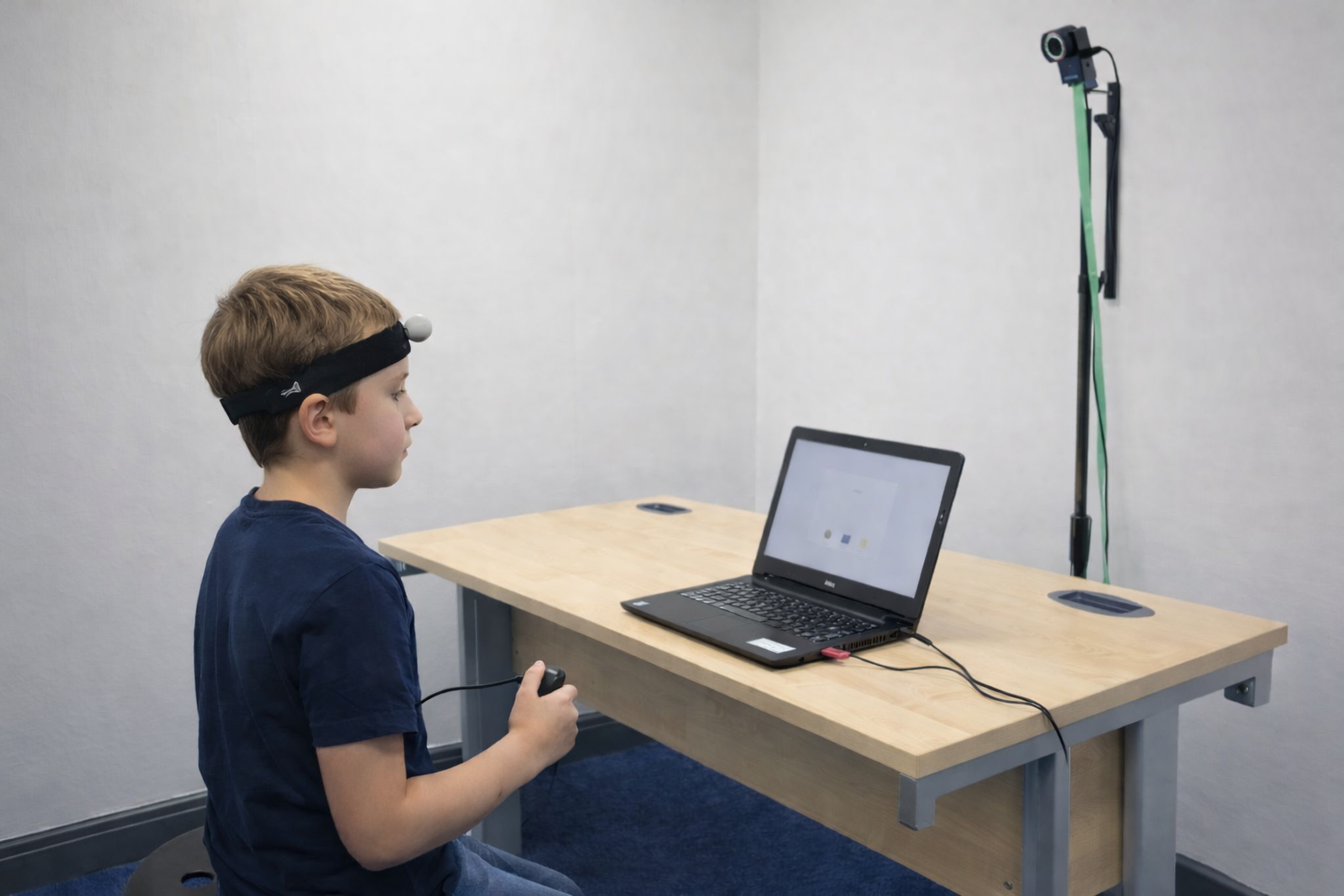
The QbTest uses an infrared camera to track your child’s movement and attention down to the millimetre while they complete a computer task.

Compare to the Norm
It generates a report comparing your child’s performance against a database of children the same age and gender without ADHD.

Visual Proof
It provides a clear, visual graph that is incredibly powerful when explaining your child’s needs to their school.
The Assessment Pathway
A clear, step-by-step process to understanding.
Clinical Interview (ACE / KSADS)
Detailed parent interview (ACE/KSADS) exploring developmental history and traits before age 12.
The QbTest (In-Clinic)
In-clinic, 15-20 minute computerised test. Simple, non-invasive, and objective data collection.
Rating Scales (Conners-3)
Standardised data (Conners-3) from home and school to see how symptoms present in different environments.
MDT Review
Chartered Psychologists review history alongside objective QbTest data to rule out other causes.
Feedback & Strategy
Diagnosis (if applicable) and a roadmap of behavioural strategies for home and classroom.
Understanding the 3 Presentations
It doesn’t always look like hyperactivity.
ADHD presents differently in every child. We assess for all three types:

Hyperactive/Impulsive
Constantly moving, struggling to wait their turn, talking excessively. Often described as “driven by a motor.”

Inattentive (formerly ADD)
Daydreaming, forgetful, easily distracted. Often missed in school because they aren’t “disruptive”, but they are struggling silently.

Combined Type
A mix of both impulsive energy and difficulty sustaining focus. This is the most common presentation.
Why NICE Compliance Matters
A Diagnosis You Can Trust.
With the rise of quick online diagnoses, schools and the NHS are becoming stricter about what they accept.

Gold Standard
We strictly follow NICE Guideline NG87.
School Support
Our reports are robust enough to support applications for EHCPs (Education, Health and Care Plans) and Extra Time in exams.
Medical Referrals
While AYC provides the diagnosis and behavioural support, our report is the valid “key” you need to access a Psychiatrist or Paediatrician if you wish to explore medication.
Frequently Asked Questions
Yes. ADHD is often a regulation issue, not a deficit. “Hyper-focus” on high-dopamine activities (like gaming) is a common trait of ADHD.
Not necessarily. Diagnosis opens the door to medication if you choose that path, but it also unlocks school support, therapy, and environmental adjustments. The choice is always yours.
Yes. These conditions frequently overlap. We offer a [Combined Assessment Pathway] which saves time and money compared to two separate processes..